
led door mirror
Understanding Rebar Support Chairs The Unsung Heroes of Reinforced Concrete Structures In the intricate world of construction, every component plays a crucial role in ensuring the strength, durability, and safety of a structure. Among these components, rebar support chairs might seem like insignificant accessories, yet they are indispensable to the success of reinforced concrete projects. These small, often overlooked devices are vital for maintaining the correct positioning and spacing of reinforcement bars (rebars) during concrete pouring, ultimately contributing to the structural integrity of buildings and infrastructures. The Role of Rebar Support Chairs Reinforced concrete is a composite material that combines the compressive strength of concrete with the tensile strength of steel, making it suitable for a wide range of applications where load-bearing capacity is crucial. However, to harness this combined strength effectively, rebars must be precisely placed and adequately supported to ensure they remain in position as the concrete cures around them. This is where rebar support chairs come into play. These chairs act as temporary scaffolding for rebars, elevating them off the ground or formwork to prevent direct contact with the concrete base. By doing so, they help in several ways 1. **Preventing Corrosion** Direct contact between rebars and the ground can lead to corrosion, especially in moist environments. Support chairs create an air gap that promotes better ventilation and reduces the risk of rusting. 2. **Ensuring Proper Alignment** Maintaining the correct alignment and spacing of rebars is critical for even load distribution. Support chairs facilitate this by holding each bar securely in place before and during concrete pouring. 3. **Enhancing Structural Stability** By keeping rebars at the designed elevation within the concrete slab, support chairs contribute to the overall stability and strength of the structure, preventing potential weaknesses such as sagging or bending under load **Enhancing Structural Stability** By keeping rebars at the designed elevation within the concrete slab, support chairs contribute to the overall stability and strength of the structure, preventing potential weaknesses such as sagging or bending under load **Enhancing Structural Stability** By keeping rebars at the designed elevation within the concrete slab, support chairs contribute to the overall stability and strength of the structure, preventing potential weaknesses such as sagging or bending under load **Enhancing Structural Stability** By keeping rebars at the designed elevation within the concrete slab, support chairs contribute to the overall stability and strength of the structure, preventing potential weaknesses such as sagging or bending under load rebar support chair . Types and Materials Rebar support chairs are available in various designs and materials to suit different project requirements. Common types include - **Plastic Chairs** Lightweight and cost-effective, plastic chairs are widely used in residential and light commercial construction. They are easy to install and can be molded to accommodate different rebar sizes. - **Metal Chairs** Typically made from steel or stainless steel, metal chairs offer greater load-bearing capacity and durability, making them suitable for heavy-duty applications such as bridges and high-rise buildings. - **Adjustable Chairs** For more complex structures requiring precise rebar placement, adjustable chairs provide flexibility in height and can be tailored to exact specifications on site. Installation and Considerations Proper installation of rebar support chairs is essential to realizing their benefits fully. Key considerations include - **Correct Placement** Chairs should be evenly spaced and positioned according to engineering plans to ensure uniform support throughout the slab. - ** Compatibility with Rebar Size** Choosing the right chair size that matches the diameter of the rebar being used is crucial to prevent slippage or inadequate support. - **Load Requirements** Considering the weight of the concrete and any additional loads the structure will bear, selecting chairs with appropriate load-bearing capacities is vital. Conclusion Rebar support chairs, though small in stature, play a monumental role in reinforcing concrete structures. Their function goes beyond mere physical support; they are integral to enhancing the longevity, stability, and overall quality of constructions. By understanding their importance and implementing them correctly, constructors can significantly contribute to building safer, stronger, and more durable structures for generations to come. In the realm of reinforced concrete, these unsung heroes quietly stand as pillars of support, ensuring that our built environment stands tall and resilient against the tests of time.
about
led door mirror
Understanding Level Supplier Relationships in Supply Chain Management In today's dynamic business environment, the concept of level suppliers has gained significant traction within supply chain management. Level suppliers refer to the different tiers of suppliers that contribute to the production and delivery of a product or service. Understanding the structure and dynamics of these relationships is crucial for companies seeking to optimize their supply chains and improve overall operational efficiency. The Importance of Level Suppliers At the core of supply chain dynamics lies a network of suppliers that can be categorized into various levels. Level 1 suppliers are typically direct suppliers, providing raw materials or components directly to manufacturers. Level 2 suppliers, on the other hand, supply products or services to Level 1 suppliers. This hierarchy continues with Level 3 suppliers and beyond, forming a multi-tier supply chain. The significance of understanding these levels cannot be overstated. Each tier plays a vital role in delivering the final product to consumers. By analyzing the entire supplier hierarchy, organizations can identify potential risks, manage costs, and maintain quality control throughout the supply chain. This holistic view allows businesses to anticipate disruptions and implement strategic measures to mitigate them, ensuring greater resilience in the face of uncertainty. Building Strong Relationships Establishing solid relationships with level suppliers is an essential strategy for sustainable growth. Communication, collaboration, and trust are paramount in creating a robust supplier network . Companies must engage with their suppliers regularly to understand their capabilities, challenges, and contributions to the overall supply chain. Moreover, collaboration with Level 2 and Level 3 suppliers can foster innovation and efficiency. For instance, manufacturers can work closely with their suppliers to co-develop new technologies or materials that can enhance product quality or reduce costs. By involving suppliers in the product development process, businesses can leverage the expertise of their partners while building a sense of loyalty and commitment. level supplier Risk Management and Supply Chain Resilience The interconnectedness of level suppliers introduces multiple layers of risk within the supply chain. Natural disasters, geopolitical tensions, economic fluctuations, and other unforeseen events can disrupt operations at various levels. As such, companies must adopt a proactive approach to risk management. Diversifying the supplier base is one effective strategy to mitigate risks. By engaging multiple suppliers at different levels, businesses can ensure a steady supply of materials and components, even if one supplier faces challenges. Additionally, implementing technology solutions like supply chain visibility tools can help organizations monitor and assess the health of their supply chain, enabling them to react swiftly to potential disruptions. Cost Efficiency and Sustainability Level supplier management also presents opportunities for cost efficiency. By analyzing the performance and capabilities of suppliers across different levels, businesses can negotiate better terms, reduce lead times, and optimize inventory management. This approach not only lowers costs but also enhances the overall agility of the supply chain. Moreover, sustainability is becoming an increasingly important consideration in supplier relationships. Companies are now looking to partner with suppliers who adhere to sustainable practices, such as responsible sourcing and eco-friendly manufacturing processes. Incorporating sustainability into supplier selection criteria not only benefits the environment but also improves brand reputation and appeal to increasingly conscious consumers. Conclusion In conclusion, the concept of level suppliers is integral to effective supply chain management. By understanding the layers of supplier relationships, building strong partnerships, managing risks, and pursuing cost efficiencies and sustainability, organizations can enhance their supply chain performance. Companies that prioritize these aspects will be better positioned to navigate the complexities of modern supply chains, ensuring long-term success in an ever-evolving marketplace. Embracing level supplier strategies is not just a tactical choice; it is a fundamental element of a resilient and forward-thinking business approach.
-

High quality industrial productsagement

High quality industrial products
View Details -

Meet the diverse needs of customers

Meet the diverse needs of customers
View Details -

Strict quality control

Strict quality control
View Details -

Top raw materials

Top raw materials
View Details -

Trusted supplier

Trusted supplier
View Details
Our application

news and information

Water Percentage Cut-Off Valve for Efficient Flow Control Systems
Understanding Water Cut-Off Valves An Essential Component in Fluid Management Water cut-off valves a
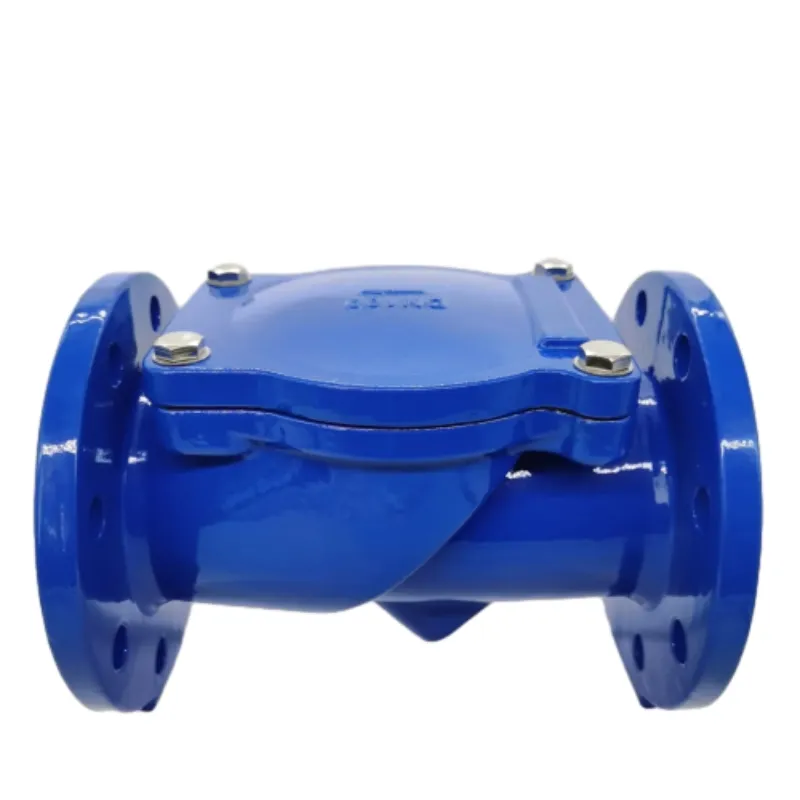
Válvula de retención 8an y su importancia en sistemas hidráulicos.
8an check valve .

Vertical Y Strainers for Efficient Liquid Filtration Solutions
vertical y strainer .
 English